
Bug Teeth’s “Micrographia” finds cosmic resonance in quiet moments
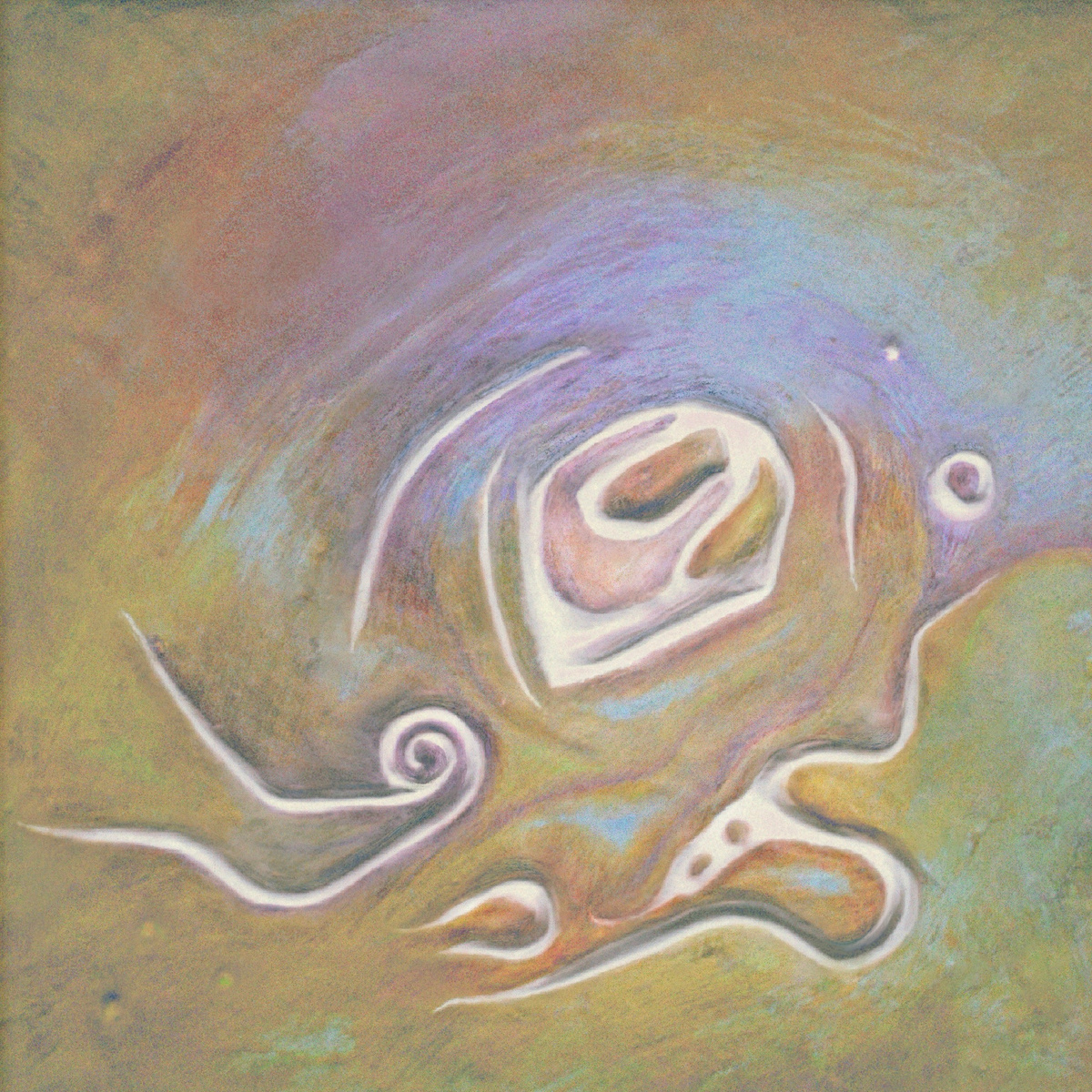
Bug Teeth’s debut full-length arrives softly, building and scrutinising loss down to its fine veins, even as it gazes upward to the skies.
With a title drawn from Robert Hooke’s 17th-century scientific text magnifying the minutiae of living forms, Micrographia zeroes in on the subtleties of grief, familial memory and the burden of loving someone who is gone.
At the heart of the album is the rupture of PJ Johnson’s life when their mother died suddenly in 2021 which left them unmoored and desperate to make sense of the absence. “Tapeworm” questions if her mother would prefer no children if she were to live her life over, “With time again would you give it up / A sacrifice / Would you give me up?” It’s a crippling place to begin. Every scar or half-remembered laugh is then analysed over the ensuing tracks, refracted through long synth passages, tremors of drums and spectral guitars woven into ambient layers. Family dynamics, especially that of a mother and child, form the emotional nucleus from which each track spins out tracking memory and resentment.
For Bug Teeth, pain is a shifting wound. In “Warp & Weft II”, Johnson meditates on how memory rewrites itself, imagining closeness where there may have been distance, and highlighting the self-doubt that haunts any form of remembrance. Crucially, at the song’s closing, the full band joins in, filling the previous isolation, and showing it as something that can be communally shared.
Then there’s “Thin Circle”, which exhibits more restraint. Here Johnson’s voice drifts through glitching textures, ambient pulses, and string fragments; the lyrics are taken from H.G. Wells’ War of the Worlds, recontextualised as a cosmic elegy to despair. The track’s refusal to push hard feels disorienting, but that’s precisely the point. Grief doesn’t neatly resolve.
What sets Micrographia apart is its refusal to sentimentalise pain. “Collections” and “Ammonite” both suggest that aspects of loss may be kept for future referral. Reminders and triggers used to recall thoughts, kind and unkind alike. Johnson doesn’t moralise grief or promise deliverance though. Instead, they interrogate the ways we try to live when what we love slips away. The emotional architecture is precise, but not brittle, it sighs and carries you anyway.
In the lineage of dream-pop storytellers, Bug Teeth’s voice is luminous and haunted. Johnson’s singing hangs on a thread of vulnerability, with the band around them equally attuned. They breathe with Johnson rather than behind them. That cohesion becomes essential in translating the loss at the music’s heart. Hurt may be too transparent or ephemeral to pin down but the effort to mourn and acknowledge the process can be enough to achieve some understanding of peace.
8/10
Connect with Bug Teeth: Instagram | X / Twitter
Review first published: The Line Of Best Fit – November 19th, 2025